The Best Lucid Dreaming Devices in 2026: What Actually Works?
Happy Lucid Dreaming Day! It’s April 12, which means it’s the one day a year where I can properly nerd out about dream tech without anyone looking at me funny.
I’ve been reviewing lucid dreaming devices for over a decade now. The first one I ever tried was the NovaDreamer back when they were still selling them on eBay for ridiculous prices. It didn’t work for me, but it planted a seed. What if a gadget really could tell you when you were dreaming?
In 2026, that question has some really interesting answers. Not all of them are good answers, mind you. Some of these devices are brilliant. Some are promising but unfinished. And some have been “coming soon” for so long that I’ve started to wonder if they exist only in someone else’s dream.
So here’s my honest breakdown of every lucid dreaming device worth knowing about right now, from the ones you can actually buy today to the ones still cooking in a research lab somewhere.
LucidMe PRO
Price: $79.99 | Status: Shipping now | Tech: EEG + AI
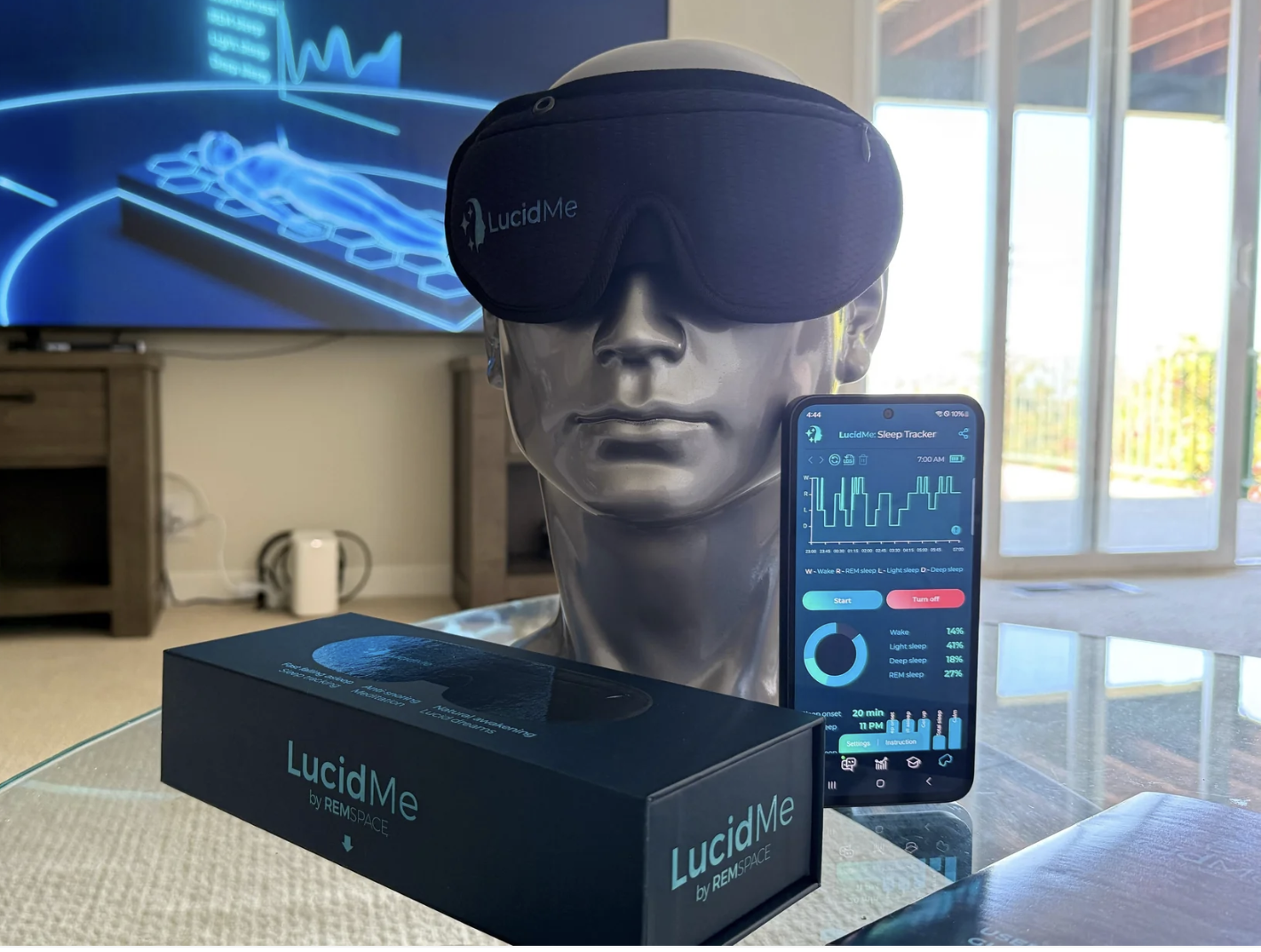
This is the one everyone’s been talking about. LucidMe PRO comes from REMspace, a company that’s been making waves in sleep tech circles. It’s an EEG-enabled sleep mask powered by their SomnoAI system, and it tries to induce lucid dreams through three different pathways: during REM sleep, while falling asleep, and upon waking.
The idea is that the mask reads your brainwaves in real time, detects when you’re in the right sleep stage, and then delivers cues (light, audio, or both) that seep into your dream without waking you up. You can even input voice prompts to guide dream content. That last part sounds like science fiction, but REMspace claims early users are reporting a meaningful increase in lucid dreams within the first week or two.
At $79.99, it’s priced aggressively. That’s a fraction of what previous EEG headbands have asked for. The big question is whether the AI actually works as advertised. EEG readings through a sleep mask are inherently noisier than a full polysomnography setup. I’m cautiously optimistic, but I want to see more independent data before I call it the real deal.
My take: The most exciting consumer device to hit the market in years. If it delivers even half of what it promises, it’s worth every penny. I’ve ordered one and will post a full review once I’ve tested it properly.
Remee
Price: ~$25–50 | Status: Available | Tech: Timed LED cues
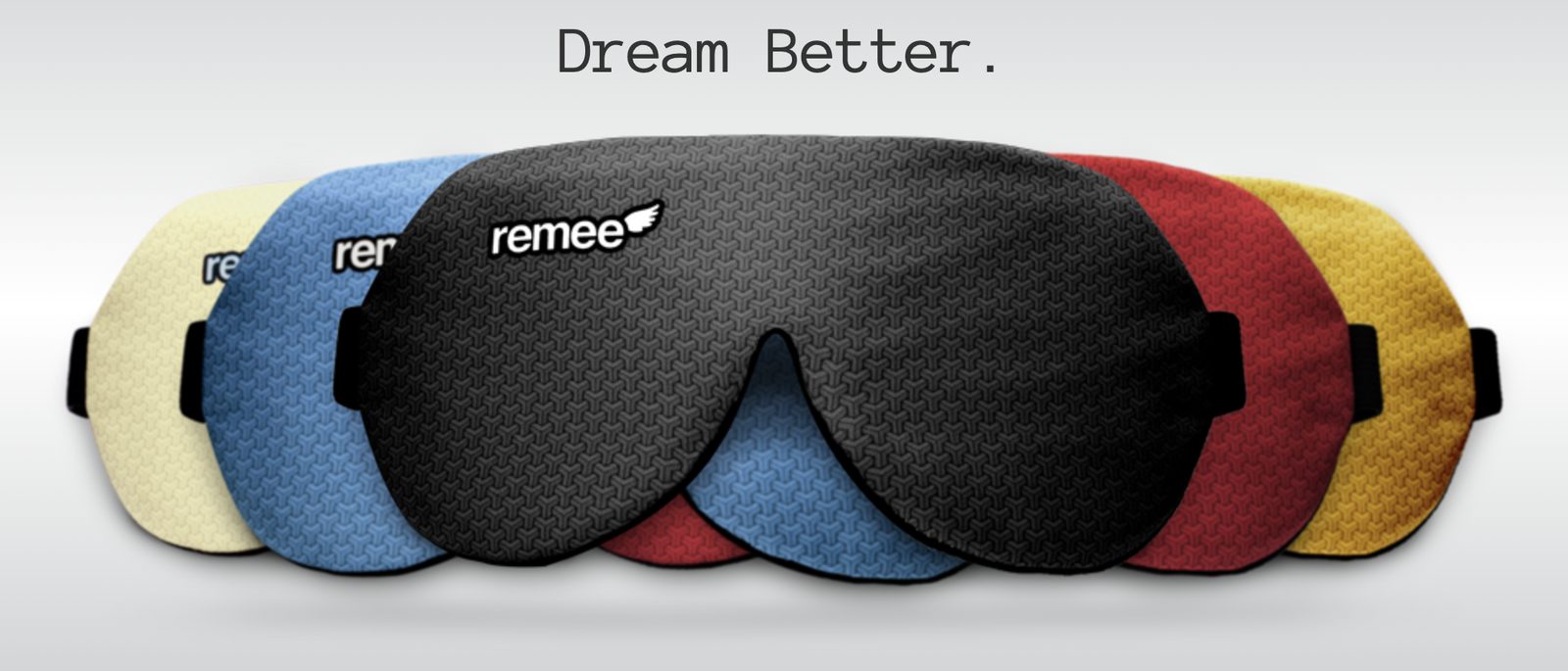
The Remee has been around since 2012 and it’s still here. That alone says something. It’s a lightweight sleep mask with a row of red LEDs that flash patterns after a set delay, timed to coincide roughly with your REM periods later in the night.
I say “roughly” because the Remee doesn’t actually detect REM sleep. It uses a simple timer. You set a delay (say, five hours), and after that, the lights start pulsing at intervals. If the timing works out and you happen to be dreaming, you might see the red flashes in your dream and realise you’re asleep.
I’ve used one off and on for years. It worked for me a handful of times, usually when I combined it with a Wake Back to Bed routine. It never worked as a standalone magic bullet. But for the price, it’s a fun experiment and a decent training aid, especially if you’re already practising reality checks and MILD.
You can still find them on Amazon and Walmart. The original Kickstarter site (sleepwithremee.com) may or may not be active depending on when you check.
My take: The Honda Civic of lucid dreaming devices. Nothing fancy, gets the job done sometimes, and costs about the same as a nice lunch. Good entry point if you’re curious about external cues but don’t want to spend real money yet.
Aurora by iWinks
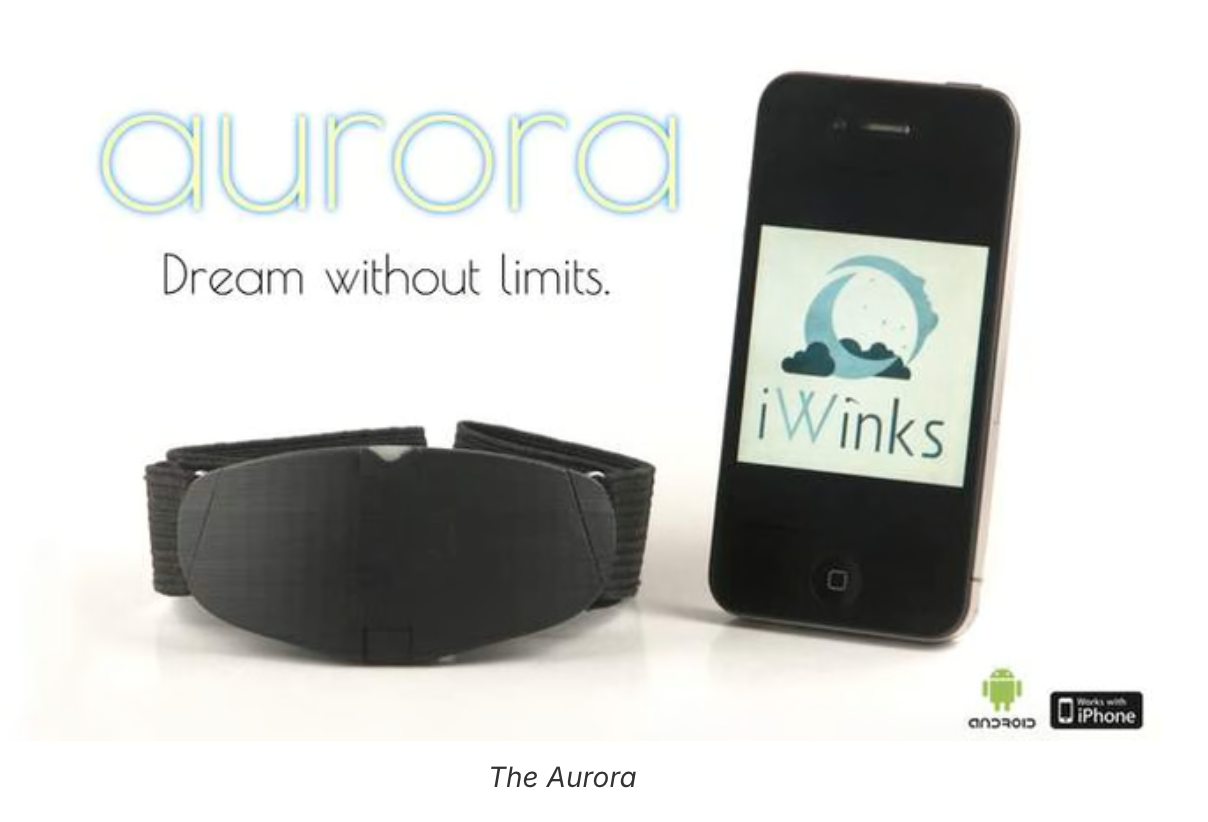
Price: $299 (original) | Status: Effectively discontinued | Tech: EEG + LED/audio cues
The Aurora was supposed to be the one. It raised $239,000 on Kickstarter. It had real EEG sensors. The algorithm was verified against polysomnography data. It tracked your brainwaves, detected REM sleep, and delivered customisable light and sound cues at exactly the right moment.
On paper, everything about it was right. In practice... well, development stalled. The companion app hasn’t been updated in years. The company’s website went dark. You can occasionally find units on eBay, but without ongoing software support, you’re essentially buying an expensive headband with no brain behind it.
This is the frustrating pattern with lucid dreaming hardware. The technology is plausible, the crowdfunding works, and then the company runs out of runway before the product matures. The Aurora had seriously promising tech. It just never got to finish the race.
My take: A cautionary tale, but also proof that the concept works. If you see one cheap on eBay, it’s a collector’s item more than a practical tool at this point.
Dormio (MIT Media Lab)
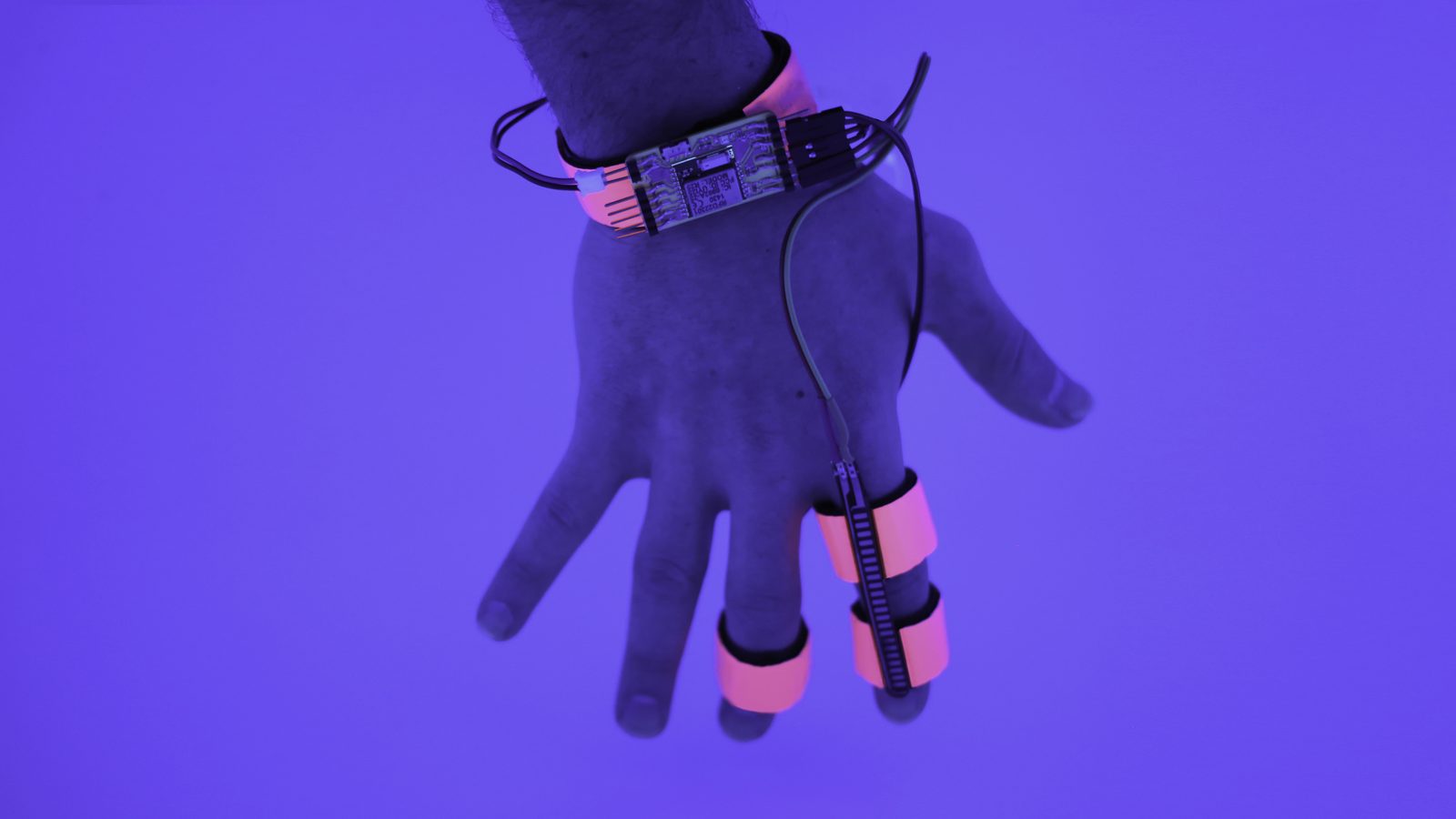
Price: Not for sale | Status: Research prototype | Tech: Biosensors + audio cues targeting hypnagogia
This one is different from everything else on this list. Dormio doesn’t target REM sleep at all. Instead, it goes after hypnagogia, that strange, hallucinatory state in the first few minutes after you fall asleep.
It’s a glove-like device with biosensors that track your muscle tone, skin conductance, and heart rate. When it detects that you’re drifting into the hypnagogic state, it plays a pre-recorded audio cue (like “think about a tree”) to seed your dream content. Then, just before you slip into deeper sleep, it gently wakes you enough to report what you were experiencing before sending you back under.
The results are remarkable. In MIT’s published studies, 67% of participants successfully incorporated the audio prompts into their hypnagogic dreams. That’s a high hit rate for any dream research. The team, led by Adam Horowitz, frames it as a “creativity tool” rather than a lucid dreaming device per se, but the mechanism is closely related. You’re becoming aware of dream content and influencing it. That’s lucidity, even if it’s happening at sleep onset rather than mid-REM.
The catch? You can’t buy one. Dormio is a research instrument. There’s no consumer version, no Kickstarter, no pre-order page. But the underlying science is open-source, and the design has been published. If you’re technically inclined, you could theoretically build your own. Some makers in the lucid dreaming community have done exactly that.
My take: The most scientifically rigorous project on this list. It’s not a product, but it’s proof that technology can reliably interface with the dreaming mind. Everything else on this list is chasing what Dormio has already demonstrated in a lab.
Prophetic Halo
Price: $1,500–2,000 (projected) | Status: In development | Tech: Focused ultrasound + AI + EEG
The Prophetic Halo is the most ambitious device on this list and, depending on your perspective, either the future of lucid dreaming or the most overhyped thing since blockchain mattresses.
The concept: a headband-style device that uses focused ultrasound to stimulate specific brain regions during REM sleep, combined with EEG monitoring and AI to detect the optimal moment for intervention. Ultrasound can reach deeper brain structures than the surface-level electrical signals that LED masks and even EEG headbands work with. In theory, this means it could induce lucid awareness more reliably than anything currently available.
Prophetic has been generating press since 2024, when they announced the project with impressive renderings and bold claims. The original target was a spring 2025 delivery. As of April 2026, the device is still in development. They’ve published some research partnerships and prototype photos, but no consumer units have shipped.
At the projected $1,500–2,000 price point, this would be a serious investment even if it works perfectly. And the focused ultrasound approach, while scientifically interesting, hasn’t been validated at scale for lucid dream induction specifically.
My take: I want this to work. The science behind focused ultrasound is sound (no pun intended). But until actual units ship and independent testers confirm the claims, file this under “promising but unproven.” I’ve been burned by dream tech vaporware before.
The Classics: NovaDreamer and REM Dreamer
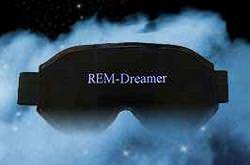
No roundup of lucid dreaming devices would be complete without mentioning the OGs. The NovaDreamer, designed by Dr. Stephen LaBerge at the Lucidity Institute, was the first commercial lucid dreaming device and it worked on a simple principle: infrared sensors detected your eye movements during REM sleep, then flashed red LEDs into your closed eyes.
The REM Dreamer followed a similar approach and was easier to get hold of for a while. Both are discontinued now, but they established the template that nearly every device on this list follows: detect REM, deliver cues, hope they show up in the dream.
If you’re interested in the history, I’ve written about all the major lucid dream machines over the years. It’s a graveyard and a laboratory at the same time.
Hobbyist and Open-Source Projects
One of the things I love about this community is the DIY spirit. There are people on Reddit, Discord, and various maker forums who’ve built their own lucid dreaming devices using Arduino boards, pulse oximeters, and EEG breakout boards. Some of these projects are surprisingly sophisticated.
The most notable open-source effort draws on MIT’s Dormio research. Since the design papers are publicly available, several hobbyists have replicated the biosensor glove and audio cue system at home for under $100 in components. Results vary, of course, but the community documentation is excellent.
If you’re the sort of person who’d rather build a device than buy one, start with the Dormio project page and work outward from there. You’ll need some comfort with soldering and microcontrollers, but nothing that a weekend of tutorials couldn’t teach you.
So... Which One Should You Actually Get?
After all these years testing devices, here’s what I’ve learnt: no gadget replaces the fundamentals. If you aren’t already keeping a dream journal, practising reality checks, and working with techniques like MILD or WILD, a device is not going to do the work for you.
That said, if you’re already practising and you want an extra edge:
On a budget? The Remee ($25–50) is low-risk and pairs well with WBTB. Think of it as a supplementary tool, not a solution.
Ready to invest? The LucidMe PRO ($79.99) is the most interesting new entry. Real EEG, real-time detection, AI-assisted cueing. I’m watching this one closely.
Money is no object? Keep an eye on the Prophetic Halo when (if) it ships. The focused ultrasound approach could be a genuine breakthrough, but don’t pre-order anything you can’t afford to lose.
You’re a tinkerer? Build a Dormio-inspired setup. The science is solid, the designs are open, and you’ll learn more about sleep neuroscience in the process than any consumer product could teach you.
And if you’re brand new to all of this? Forget the devices for now. Start with our free 10-step course and build the foundation first. The gadgets will still be here when you’re ready for them.
Happy Lucid Dreaming Day. Go have a weird dream tonight :-)