False Awakenings and Lucid Dreams
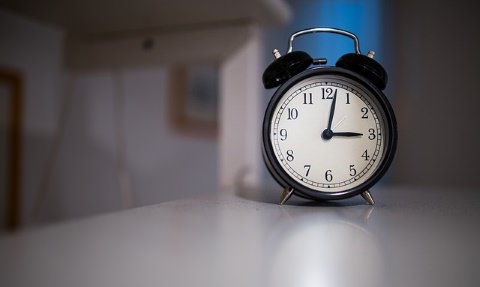
False awakenings are a curious phenomenon for lucid dreamers and non-lucid dreamers alike.
They are essentially ultra vivid dreams in which you are convinced you have woken up in physical reality.
They are most likely to happen when you are excited about a big day ahead (or if you're a lucid dreamer).
Self-awareness determines how consciously "in tune" you are with your current reality. Lucid dreamers aim to be highly self-aware while awake - and while dreaming. But the modern world is so distracting, most people are not very self-aware at all.
And this comes into play in the paradox of a false awakening.
The dream of awakening is highly vivid, suggesting a high level of self-awareness. Yet many false awakenings go unrecognized. Assumed to be waking reality, there is absolutely no awareness that it's all a dream.
A false awakening may involve getting up, having breakfast, getting dressed, heading out for work... all the things you do every day on autopilot. It can all appear all too real and solid to warrant questioning its authenticity. Indeed, you will only appreciate how real a false awakening is when it happens to you - it reveals the remarkable capacity of the human brain to emulate reality.
What Causes a False Awakening?
A false awakening happens during REM sleep, the stage where the brain is highly active and most vivid dreaming occurs. Your sleeping mind simply runs its model of an ordinary morning - the bedroom, the alarm, the walk to the kitchen - so faithfully that you accept it as real. No part of you questions it, because the script is one you have run thousands of times in waking life.
They cluster around anticipation. If you are anxious about an early start, a flight, an exam, or a new job, your brain rehearses the morning ahead and a false awakening becomes far more likely. Fragmented sleep, stress, and an irregular sleep schedule all raise the odds, which is also why they spike when you first start practising lucid dreaming and your nights of attention to dreaming increase.
Researchers since Celia Green in the 1960s have distinguished two types. A Type 1 false awakening is the mundane kind - you "wake", potter about your morning routine, and the dream stays unremarkable. A Type 2 is stranger and more charged: the bedroom feels subtly wrong, the light is off, there is a sense of foreboding or that something is watching you. Type 2 false awakenings sit close to the border of sleep paralysis, which is why the two experiences are so often confused.
Waking Up from False Awakenings
Eventually, you will start doing a more complex task in your dream that draws on part of the conscious brain that is still asleep. Maybe you look in the bathroom mirror, or attempt to read a signpost on your way to work. This exposes the illusory nature of the dream and BAM! You wake up.
Or perhaps not.
Some people report having multiple false awakenings in succession.
Doing the same things over and over, never knowing when they have truly woken up. They keep unconsciously rebooting the waking dream scenario... As uncanny as it sounds, if you have just had one false waking experience, you are much more likely to have another. The conditions are already ripe.
The False Awakening Loop
When this repeats several times in a row, it is known as a false awakening loop - the "dream within a dream within a dream" that films like Inception made famous. You wake, get dressed, walk to the kitchen... and then wake again, still in bed. Some people stack four or five of these in a single morning, each one feeling completely real, before they truly surface.
A false awakening loop can be unsettling, especially the first time, because it can feel like you are trapped and cannot escape into real waking life. You always do - the loop ends the moment your brain shifts out of REM, and no one has ever been stuck in one permanently. But you do not have to wait it out passively. The way to break a false awakening loop is the same skill that protects you from any dream confusion: a deliberate reality check performed every single time you "wake up". The instant a reality check fails - your hand sinks through a wall, the clock digits scramble - you know you are still dreaming, and you can either steer the dream consciously or calmly let it run until you wake for real.
My Experiences
I've never had multiple false awakenings (as far as I can remember). So when they do occur, I rather enjoy them. Sometimes my false awakenings drag on for several minutes then I abruptly wake up. Other times I realize I'm dreaming and become lucid.
In one false awakening, I had the fortune of doing a reality check early on and tried to push my hand through the glass window of my bedroom. Yet my reality was so vivid, my brain refused to accept the possibility of it passing through. Instead, my hand bounced off the glass realistically!
I was dumbstruck. Being unable to rationalize what was happening, I clumsily explored my house, knowing that something was wrong but unable to define it. I was stuck in a limbo-like dream world.
Eventually I went into the kitchen and found my partner cooking a roast dinner at 7am.
Logic bomb!
I instantly became lucid and flew away.
How to Turn False Awakenings into Lucid Dreams
1. Reality Check on Waking - Perform a reality check when you wake up every day. This is will be your best chance of recognizing a false awakening as soon as it begins.
2. Use Your Alarm Clock - Whenever you look at the time, ask yourself "Am I dreaming?" Numbers and letters are notoriously hard to read in dreams because the language centers of the brain are largely shut down. So numbers or words are prone to changing or turning into unreadable symbols after a few seconds. Your alarm clock will expose this.
3. Look At Your Reflection - Since the first thing people do in the morning is go to the bathroom, this is an ideal reality check. Allow yourself a few seconds to examine your face, check that the reflection of the room is normal, and see if you can push your hand into the mirror itself.

4. Leave Notes For Yourself - Written reminders placed around the house (like door handles, light switches and banisters) will prompt you to do a reality check and reveal if you are dreaming. Be sure to acknowledge them every morning - don't ignore them.
5. Check During Breakfast - False awakenings can involve eating breakfast so the moment you taste food or drink in the morning, do a reality check. If you are dreaming, you will suddenly be able to taste the food you are eating with more intensity, which is a wonderful wake-up call!
Final Thoughts
If you learn the art of dream control , false awakenings cease to be something scary and start to seem like an awesome opportunity to have amazing lucid dreams!
And while false awakenings can be hard to spot, with practice you will become better at recognizing that curious feeling that something is not right with the world...
Frequently Asked Questions
What is a false awakening?
A false awakening is a vivid dream in which you are convinced you have woken up and started your day, when in fact you are still asleep. You might get out of bed, get dressed, and make breakfast, all without realizing none of it is real. It is one of the most convincing illusions the dreaming brain produces.
What causes false awakenings?
They occur during REM sleep, when the brain vividly simulates an ordinary morning. They become much more likely when you are anticipating an important or early start, when your sleep is fragmented or stressed, and when you begin practising lucid dreaming and pay closer attention to your dreams.
What is a false awakening loop?
A false awakening loop is when you experience several false awakenings in a row - you "wake up", only to wake up again, and again, each one feeling completely real. It is the dream-within-a- dream effect popularized by Inception. The loop always ends on its own when your brain leaves REM sleep; a reality check on each waking is the fastest way to recognize it and take control.
Are false awakenings dangerous?
No. A false awakening is harmless in itself, and no one becomes permanently stuck in one. They can feel unsettling - especially the Type 2 variety, where the room feels subtly wrong - but they pose no physical risk. For lucid dreamers, they are actually a welcome opportunity to become lucid.
Is a false awakening the same as sleep paralysis?
They are different experiences that sometimes overlap. In a false awakening you are fully mobile within a convincing dream of being awake. In sleep paralysis you are actually awake but temporarily unable to move. A charged Type 2 false awakening can lead into sleep paralysis, which is part of why the two get confused.
How do you stop a false awakening loop?
Perform a reality check every time you wake up - try to push a finger through your palm, or read the same text twice and watch whether it changes. If the check fails, you know you are still dreaming and can either become lucid or calmly let the dream run until you truly wake. Building the habit of checking on waking is the single most reliable way to break the loop.

About The Author
Rebecca Casale is a lucid dreamer and a science writer with a special interest in biology and the brain. She is the founder of World of Lucid Dreaming and Science Me.